Garden Maintenance Hackbridge: Recycling and Sustainability
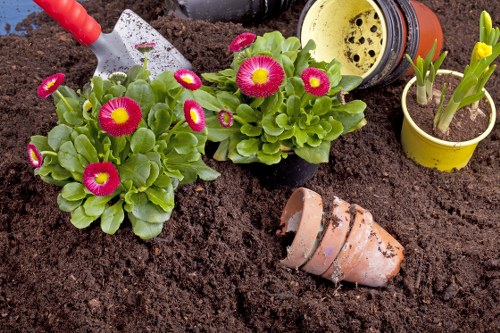 Our approach to eco-friendly waste disposal area and a sustainable rubbish gardening area is central to Garden Maintenance Hackbridge's mission. We combine professional garden maintenance in Hackbridge with responsible waste handling to reduce landfill, support local reuse networks and create greener streets. This page outlines our targets, partnerships, local transfer station links and the operational steps we take in Hackbridge garden care to keep environmental impact low.
We set a clear recycling percentage target: a minimum of 70% diversion of green and dry garden waste from landfill across our scheduled works within the borough. That target aligns with the boroughs' approach to waste separation where residents and services are encouraged to separate food, glass, paper and garden waste streams to improve recycling yields. Our green garden maintenance Hackbridge teams separate materials on-site and use designated containers for compostable cuttings, woody material and mixed recyclables.
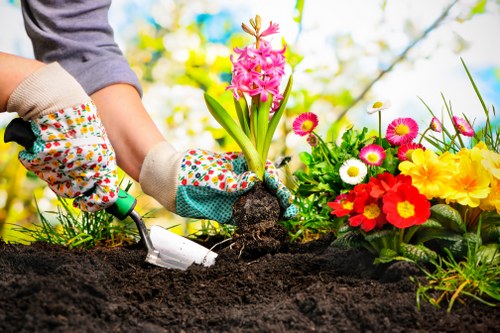 Operationally, we combine small-scale on-site sorting with consolidated transport to local transfer stations. We make use of borough-operated transfer depots and nearby household recycling centres so that garden waste, soil, rubble and recyclable packaging are sent to the correct processing route rather than general refuse. These logistics are supported by route planning software and staff trained in correct segregation and minimal contamination handling.
Sustainable rubbish gardening area: on-site systems and composting
Creating a sustainable rubbish gardening area starts in the garden itself. We promote on-site composting and mulching where feasible, and use low-impact disposal methods for residues that cannot be reused. By composting cuttings and leaf litter we reduce the need for offsite transport, support soil health and keep organic material in the local green economy. Our garden maintenance in Hackbridge packages include options for leaving mulch on beds and chipping woody waste for reuse.We actively work with local infrastructure and community partners. Typical recycling activity in the area includes separated collections for:
- Garden and food organics (separate caddies or green bins)
- Paper and cardboard
- Glass and metal containers
- Plastic packaging (where accepted in the borough stream)
- Woods and bulky green waste for chipping or composting
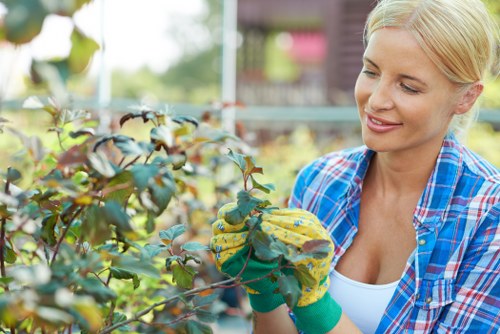 Partnerships with charities are a vital part of our circular approach. We coordinate with local reuse organisations and social enterprises to redirect usable items and surplus landscaping materials. Examples include donating intact pots and planters to community gardens and collaborating with reuse charities for furniture or timber that can be repurposed in community projects. Working with local charities and civic groups helps ensure useful materials remain in circulation rather than being treated as waste.
Low-carbon vans, logistics and sustainable fleet choices
To support low-emission garden maintenance Hackbridge operations we deploy a mix of electric and hybrid light vans for routine visits, and low-emission small trucks for larger collections. Our commitment to a low-carbon fleet includes: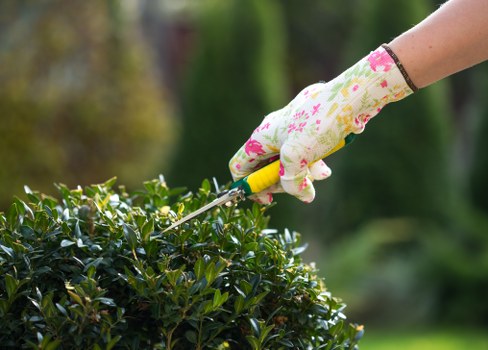 Key fleet measures:
- Electric vans for short urban routes and frequent stop-start collections
- Hybrid vehicles for heavier loads and longer trips
- Optimised route planning to reduce miles and idling time
- Properly sized vehicles to minimise empty space and cut journeys
 In summary, Garden Maintenance Hackbridge combines practical on-site separation, a clear recycling percentage target of at least 70%, partnerships with local charities and social enterprises, and a transition to low-carbon vans to create a resilient, sustainable rubbish gardening area. Our approach to sustainable garden maintenance in Hackbridge respects borough waste separation policies, leverages nearby transfer stations and recycling centres, and promotes reuse and composting as first-choice outcomes. By keeping these systems local and collaborative we reduce transport emissions, support community projects and deliver greener garden services.